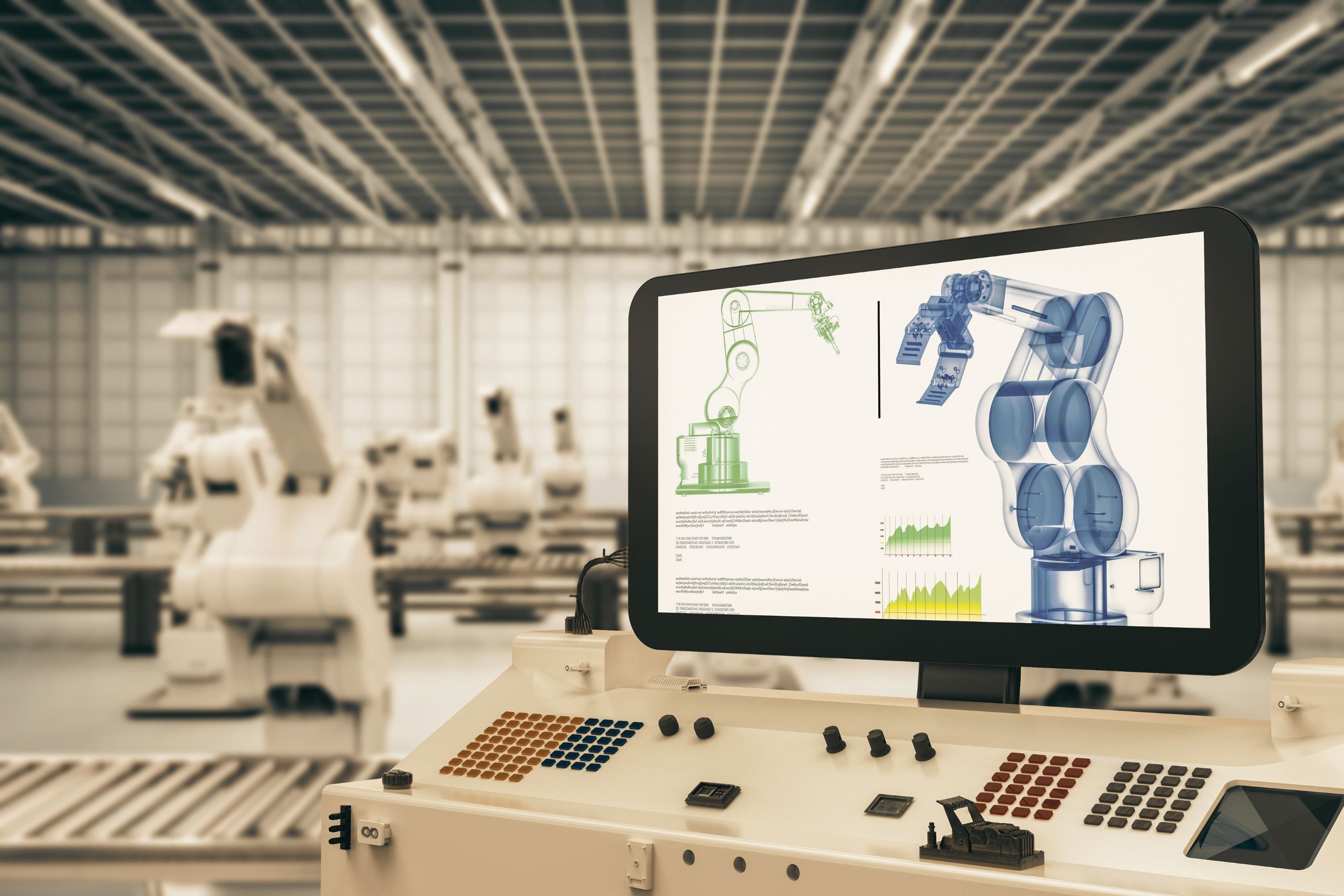
Machine automation is at the heart of a dramatic transformation in the global manufacturing sector. By leveraging cutting-edge technologies, factory floors are no longer simply hubs of manual labor but dynamic environments where intelligent systems work seamlessly alongside human talent. Companies increasingly look to automate machinery to improve efficiency, cut costs, and respond resiliently to changing market demands. As a result, manufacturers are seeing deeper integration between digital tools and traditional production processes, where adaptability and smart systems drive progress. This seismic shift is not simply about increasing output. Machine automation enables previously unrealized levels of quality, precision, and flexibility, making next-generation factories agile enough to deliver on customer expectations and achieve higher sustainability goals. The synergy of digitalization, robotics, and data-driven insights is revolutionizing established processes and setting new standards across industries. Crucially, automation creates opportunities for manufacturers of all sizes. Even small and medium-sized enterprises (SMEs) benefit from technologies that were once accessible only to large corporations. This democratization means more businesses are positioned to navigate ongoing supply chain challenges, labor shortages, and fluctuations in global demand. Below, we unpack how innovations in AI, robotics, modular systems, and advanced analytics are shaping the future of manufacturing and highlight challenges, solutions, and emerging trends to watch.
AI Integration in Manufacturing
Artificial Intelligence (AI) has emerged as the cornerstone of smart manufacturing. With its unique ability to rapidly process and learn from vast data sets, AI empowers manufacturers to predict equipment failures, streamline workflows, and ensure consistent product quality. For instance, advanced AI-powered vision systems can now identify microscopic defects earlier in the process, preventing downstream waste and elevating brand standards. According to McKinsey, 50% of today’s manufacturing leaders have implemented AI in at least one function, and adoption continues to accelerate as competitive pressure mounts.
Predictive Maintenance and Operational Efficiency
The predictive power of machine learning is transforming how plants monitor and maintain their critical equipment. Instead of routine schedules or reactive repairs, smart factories use AI-driven analytics to monitor machinery health via integrated sensors. This real-time monitoring allows for proactive intervention fixing minor issues before they become major failures, minimizing downtime, and maximizing asset lifespan. Predictive maintenance is credited with reducing equipment breakdowns by up to 50% in many organizations, according to PwC research.
Collaborative Robots Enhancing Human Capabilities
Collaborative robots, or cobots, offer a new paradigm in workforce dynamics. Unlike traditional industrial robots, which operate behind safety cages, cobots are designed for direct interaction with human colleagues. Thanks to advanced safety features, such as force limiting and real-time feedback, cobots can share workspace with people without compromising safety. As a result, they are ideal for tasks such as assembly, packaging, or inspection, where a blend of dexterity and consistency is valuable. This advancement levels the playing field for SMEs by making affordable and flexible automation widely accessible.
Modular Systems and Flexible Manufacturing
The evolution toward modular, software-defined production systems means manufacturers can reconfigure lines quickly to accommodate new products, materials, or customer requirements. This adaptability is crucial in today’s constantly shifting marketplace, where shorter product life cycles and unpredictable demand require rapid pivots. By as early as 2030, a substantial segment of manufacturing workflows is expected to be fully modular, fostering innovation and resilience at every stage from product design to final assembly. These flexible structures empower manufacturers to customize operations and reduce time-to-market without major capital investments.
Data-Driven Decision Making
At every touchpoint, manufacturing generates enormous troves of data. Modern analytics platforms turn this raw information into actionable insights, informing everything from supply chain strategy to process optimization. By harnessing connected sensors, digital twins, and cloud-based dashboards, leaders can track KPIs, anticipate disruptions, and forecast demand more accurately. This commitment to data-driven decision-making ensures operations are lean, agile, and aligned with both real-time and long-term goals. CNBC highlights the importance of advanced analytics in overcoming global supply chain disruptions.
Sustainability Through Automation
Manufacturing automation goes hand in hand with sustainability goals. Intelligent systems can optimize material usage, reduce energy consumption, and lower emissions throughout the production lifecycle. AI-driven energy monitoring platforms, for example, identify inefficiencies and recommend process improvements often yielding immediate cost and carbon savings. Additionally, precise automation enables manufacturers to minimize scrap and recycle defective output, driving circular economy principles and fulfilling regulatory expectations for greener production.
Challenges in Implementing Automation
Despite the clear advantages, the transition to automated manufacturing is not without hurdles. Legacy infrastructure often lacks interoperability with new systems, and siloed data can dilute the impact of AI deployment. Organizational culture may also foster resistance, particularly when job security or skill shifts are perceived as threats. Overcoming these obstacles demands more than technology investment it requires strategic planning, comprehensive employee training, and an openness to evolving workflows. Successful adoption depends on a holistic approach that bridges technical, operational, and cultural divides.
Future Outlook
Looking ahead, the future of manufacturing promises even deeper convergence of automation, AI, and IoT technologies. As organizations embrace these capabilities, they will benefit from greater efficiency, resilience, and sustainability. The factories of tomorrow will be highly intelligent, connected, and adaptable, able to thrive in a fast-evolving industrial landscape where innovation drives success.