Emergencies may occur suddenly and at any moment. Being able to react fast may make a big difference, whether at home, at work, at school, or at community activities. For this reason, taking CPR training courses has become crucial for both professional and personal growth. These courses provide students with useful information and practical skills that enable them to behave with confidence in stressful circumstances.
There is more to learning CPR than just fulfilling employment regulations. It is about learning how to help others when every moment counts. In-depth training courses provide participants the courage to act before expert medical assistance comes and help them comprehend emergency response protocols.
Recognising The Value Of CPR Education
Cardiopulmonary resuscitation, or CPR, may preserve a person’s life when their breathing or pulse has stopped. Timely response may improve outcomes and increase the likelihood of survival in many emergency situations.
Participants in CPR training courses learn how to identify symptoms of medical distress, evaluate the situation for safety, and provide prompt aid. Cardiac crises, drowning disasters, industrial accidents, and other unforeseen catastrophes are just a few of the many scenarios in which these abilities are useful.
More individuals are realising the need for CPR training as a vital life skill as communities continue to prioritise safety and readiness.
Increasing Self-Belief Via Practical Education
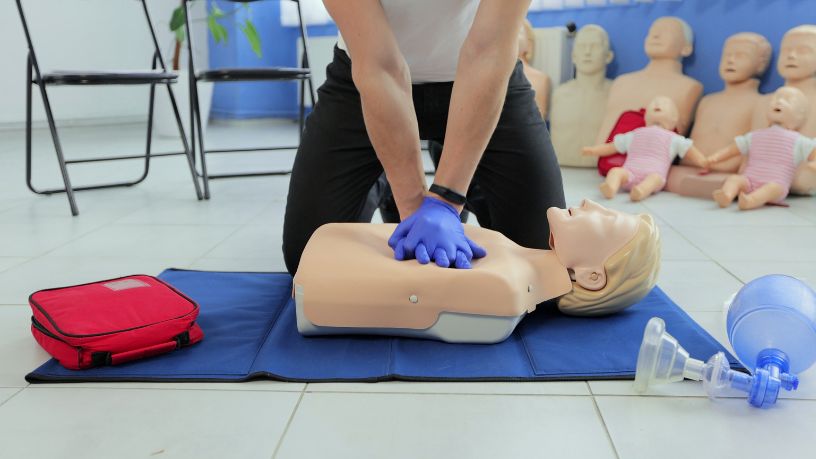
The chance to practice emergency response skills in a safe setting is one of the biggest advantages of thorough CPR training courses. In order to teach participants how to apply their knowledge under duress, training programmes often include realistic situations.
Because they are afraid of making errors, many individuals pause during situations. Good training lowers this uncertainty by offering precise instructions and practical experience. Participants gain knowledge about maintaining composure, communicating clearly, and following established emergency response protocols.
For those who wish to acquire these critical skills quickly while still obtaining in-depth training and real-world experience, programmes that provide fast first aid and CPR training are particularly beneficial.
Endorsing Initiatives For Workplace Safety
Workplaces across a variety of sectors are spending more money on CPR and first aid training. Employers are aware that having trained employees may enhance emergency readiness and promote a safer workplace.
While they wait for emergency personnel to come, workers who have received CPR training may react to situations involving colleagues, clients, or guests. Organisations’ entire safety culture is strengthened by this extra degree of readiness.
As part of continuing professional development, many companies also urge employees to take a First Aid Express Course. These courses guarantee that participants get the information required to react appropriately in an emergency while offering easily accessible training choices.
Increasing Community Readiness
Communities as a whole gain from CPR training as it increases the number of people who can help in an emergency. Communities are better able to deal with unforeseen circumstances when more individuals have these abilities.
Because of their duty to others, parents, teachers, coaches, carers, and volunteers often decide to finish CPR training. If a medical emergency arises while they are in their care, being ready might help them react with assurance.
Residents who want to enhance their emergency response skills and contribute to safer local settings may continue to get training via community-based initiatives like first aid Cannon Hill courses.
Acquiring Lifelong Capabilities
Beyond the classroom, CPR training has several benefits. Participants get important information that they may utilise for the rest of their lives. Even while many certificates need to be renewed on a regular basis, the knowledge and confidence gained during training can have long-term advantages.
People who have received CPR training often say they feel better equipped to handle unforeseen circumstances in both personal and professional contexts. They grow more aware of possible dangers and more prepared to handle crises.
Additionally, these abilities may foster a stronger feeling of duty to one’s family, workplace, and the larger community.
Conclusion
Education and hands-on training are the first steps in emergency preparation. Comprehensive CPR training programmes provide people with the information, self-assurance, and practical experience they need to react appropriately in unforeseen circumstances. Investing in these skills is an investment in individual readiness and community safety, whether via local possibilities like first aid cannon hill training, fast first aid and CPR programmes, or a First Aid Express Course. Appropriate training may enable people to take significant action and even save lives in situations when every second matters.