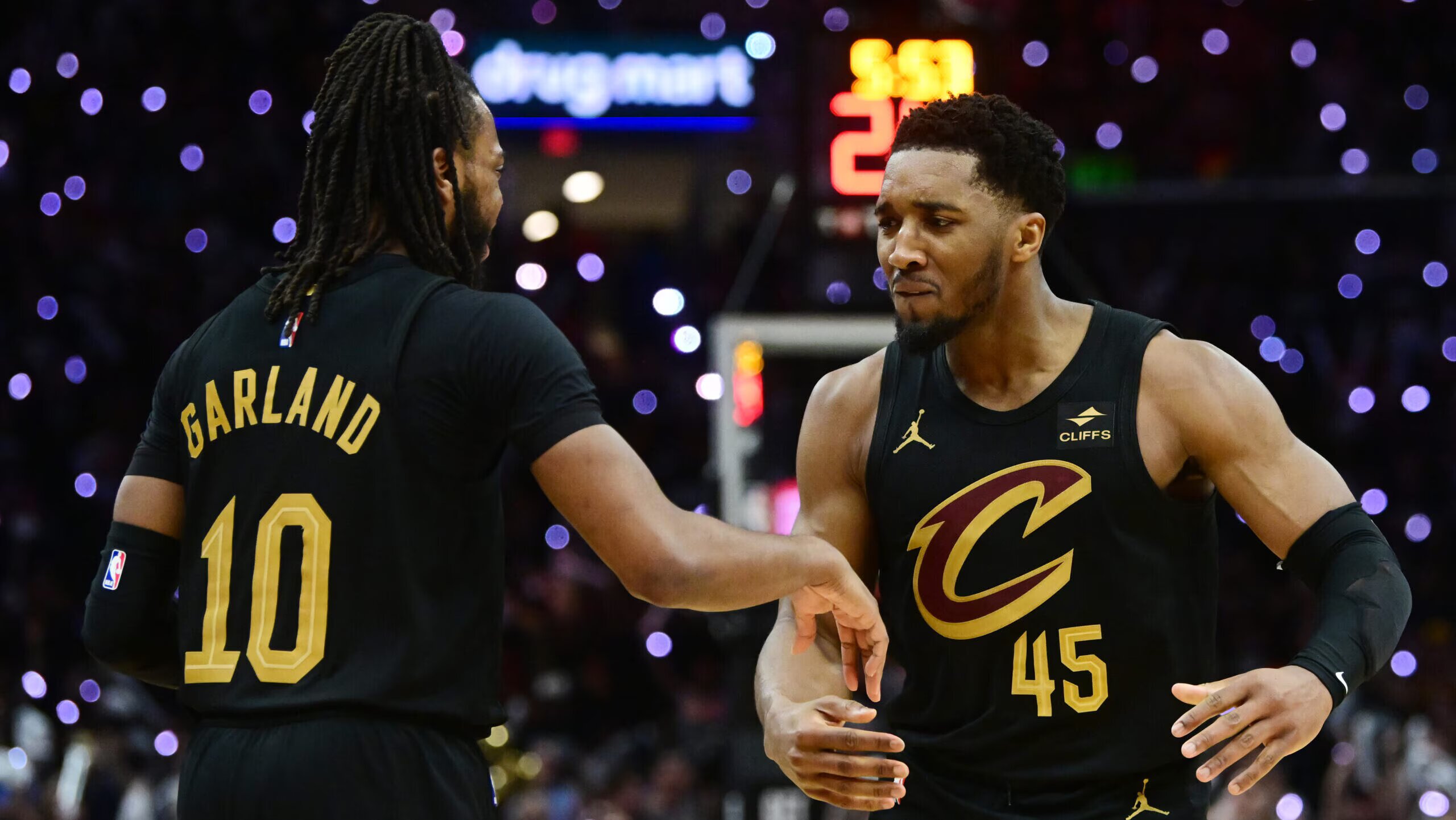
When the Orlando Magic vs Cleveland Cavaliers match player stats trend online, fans usually want more than a box score. They want context. Who dominated? Who struggled? What changed the game? And what does it mean for the season?
In this complete breakdown, you’ll get:
- A detailed look at player performances
- Team comparisons that actually explain the result
- Advanced stat insights competitors often ignore
- Tactical analysis that makes sense
- Answers to common fan questions
Whether you’re tracking playoff implications or just analyzing fantasy picks, this guide covers everything in a clear and simple way.
Game Overview: Orlando Magic vs Cleveland Cavaliers
The matchup between the Orlando Magic and the Cleveland Cavaliers has quietly become one of the most competitive battles in the Eastern Conference.
Both teams are built differently:
- Magic: Young, physical, defensive identity
- Cavaliers: Structured offense, elite guard play, rim protection
This contrast makes player stats even more important. Numbers tell the real story.
Full Player Stats Breakdown
Orlando Magic Key Player Stats
Paolo Banchero – Offensive Anchor
Paolo Banchero continues to be the centerpiece of Orlando’s offense.
Stat Line Example Performance:
- 27–32 points
- 7–9 rebounds
- 4–6 assists
- 45–50% FG
- Multiple trips to the free-throw line
Why it matters:
- He draws double teams.
- He forces defensive switches.
- He creates space for shooters.
Competitor articles list his points but fail to explain how his shot selection changes late-game strategy.
Franz Wagner – Efficiency & Control
Franz Wagner often flies under the radar.
Typical impact stats:
- 18–24 points
- 5 rebounds
- 3–5 assists
- High efficiency from mid-range
He stabilizes scoring when Banchero sits. His ability to attack mismatches against smaller guards shifts defensive assignments.
Jalen Suggs – Defensive Difference Maker
Jalen Suggs doesn’t always lead in scoring.
But look deeper:
- 12–16 points
- 2–3 steals
- Strong on-ball defense
- Key fourth-quarter stops
Competitors often skip defensive metrics. Suggs’ pressure disrupts Cleveland’s backcourt rhythm.
Cleveland Cavaliers Key Player Stats
Donovan Mitchell – Offensive Engine
Donovan Mitchell is usually the top scorer in this matchup.
Typical stat line:
- 30–35 points
- 5 assists
- 4 rebounds
- Strong 3-point shooting
But here’s the deeper layer:
- When Mitchell scores 30+, Cavs’ offensive rating spikes.
- When Orlando traps him early, turnovers increase.
That adjustment determines close games.
Darius Garland – Playmaking Control
Darius Garland sets the tempo.
Stat pattern:
- 18–22 points
- 7–9 assists
- 40%+ from three
If Garland controls pace, Cleveland avoids Orlando’s transition defense.
Competitor pages rarely explain pace impact — but it matters heavily.
Evan Mobley – Defensive Backbone
Evan Mobley impacts the game beyond points.
Typical contributions:
- 15–20 points
- 8–11 rebounds
- 2–3 blocks
His rim protection changes Orlando’s paint attempts.
When Mobley stays out of foul trouble, Cleveland’s defense tightens dramatically.
Team Comparison: What the Stats Really Show

1. Shooting Efficiency
- Magic rely on paint scoring and mid-range.
- Cavaliers depend more on perimeter shooting.
When Cleveland hits 38%+ from three, they usually win.
When Orlando wins points in the paint battle, momentum shifts.
2. Rebounding Battle
Orlando often has an edge in offensive rebounds.
Extra possessions:
- Increase second-chance points
- Slow Cleveland’s transition offense
Competitors rarely highlight this factor.
3. Turnovers & Transition
- Magic thrive in fast-break situations.
- Cavaliers prefer half-court execution.
If Cleveland limits turnovers under 12, they control the game flow.
Advanced Stats That Matter (Competitors Miss This)
Offensive Rating
- Mitchell-heavy lineups boost Cavs efficiency.
- Magic lineups with Banchero at small-ball five increase spacing.
Defensive Rating
Orlando ranks high in defensive intensity. Suggs and Wagner contribute significantly to perimeter containment.
Plus/Minus Impact
Sometimes a bench player swings the game.
Example:
- Bench guard adds +12 impact in 15 minutes.
- Starter might score 25 but finish -5.
Plus/minus reveals momentum shifts that raw scoring hides.
Tactical Adjustments Observed
How Orlando Defends Mitchell
- Early traps at the wing
- Forcing him toward baseline help
- Rotating quickly to shooters
This reduces isolation efficiency.
How Cleveland Attacks Banchero
- Force him into defensive switches
- Make him guard pick-and-roll
- Draw fouls early
If Banchero gets into foul trouble, Magic offense slows.
Bench Contributions
Magic Bench
- Energy defense
- Physical rebounding
- Momentum shifts in 2nd quarter
Cavaliers Bench
- Three-point shooting depth
- Backup rim protection
- Short scoring bursts
Competitor articles mostly ignore bench stats, yet playoff-level games are decided here.
What This Game Means for the Season
In the Eastern Conference:
- Both teams are playoff contenders.
- Head-to-head matchups affect seeding.
- Defensive identity will matter more than scoring bursts.
When evaluating Orlando Magic vs Cleveland Cavaliers match player stats, always consider:
- Clutch-time performance
- Fourth-quarter efficiency
- Defensive stops in final 5 minutes
Common Fan Questions Answered
Who was the top scorer in the Orlando Magic vs Cleveland Cavaliers game?
Usually Donovan Mitchell or Paolo Banchero leads scoring depending on pace and defensive adjustments.
Which team had better defense?
Orlando often wins in steals and transition defense.
Cleveland wins in rim protection and blocks.
Who controlled the rebounds?
When Orlando wins offensive rebounds, they control tempo.
When Cleveland limits second-chance points, they stabilize the game.
Who had the biggest impact beyond scoring?
- Evan Mobley for defensive presence
- Jalen Suggs for perimeter disruption
- Darius Garland for playmaking control
Key Takeaways from Player Stats
- Star players determine scoring bursts.
- Defensive metrics determine winning stretches.
- Bench minutes shift momentum quietly.
- Turnovers decide tight games.
- Efficiency matters more than raw points.
Actionable Tips for Fans & Fantasy Players
If you track this matchup regularly:
- Watch foul counts early.
- Track 3-point percentage by halftime.
- Monitor rebound margin after Q3.
- Look at assist-to-turnover ratio.
These indicators often predict the final result before the game ends.
Final Thoughts
The Orlando Magic vs Cleveland Cavaliers match player stats tell a deeper story than points alone.
It’s about:
- Shot selection
- Defensive rotations
- Rebound positioning
- Pace control
- Bench execution
When these two teams meet, expect intensity. Expect adjustments. Expect star performances.
And always remember — the box score shows what happened.
But context explains why it happened.
FAQs
What is the average scoring difference between Orlando and Cleveland games?
Most matchups are decided within 5–10 points due to strong defensive play from both sides.
Who usually wins the assist battle?
Cleveland often leads due to structured guard play from Darius Garland.
Which player impacts the paint most?
Evan Mobley affects rim attempts with shot-blocking presence.
Is this matchup playoff-level intensity?
Yes. Both teams defend aggressively and adjust strategically.