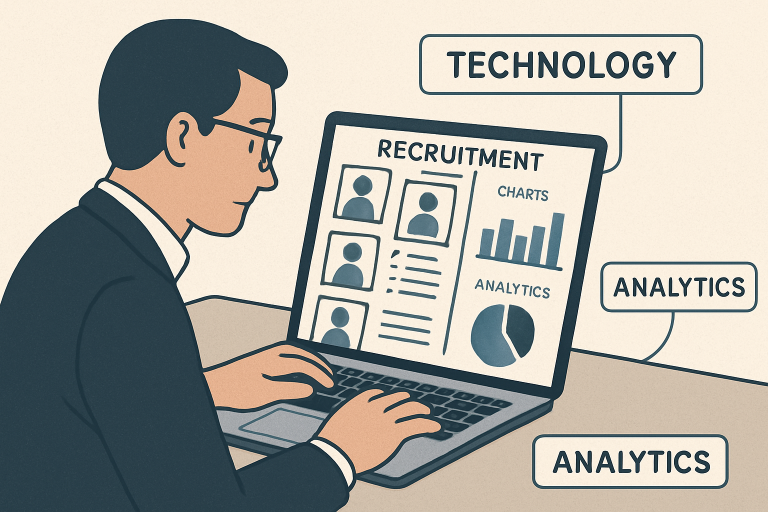
In a rapidly changing job market, organizations face increasing competition not just for talent but for the effectiveness of their recruitment processes. Leveraging data analytics enables hiring teams to systematically enhance their approach to attracting, evaluating, and retaining top talent. By integrating solutions like recruitment reporting tools into the hiring process, hiring teams can transform qualitative guesswork into actionable quantitative insights, leading to faster and more informed hiring decisions.
As digital transformation redefines workforce management, the ability to use real-time information and predictive analytics in hiring is now a necessity. With the right data-driven approach, organizations are better equipped to avoid common pitfalls of traditional hiring, such as bias, inefficiency, and high turnover rates. They also open the door to more inclusive, transparent, and adaptable talent acquisition strategies that benefit both employer and candidate. In this article, discover how modern, data-driven strategies are revolutionizing recruitment and shaping the future workplace.
The Shift Towards Data-Driven Recruitment
Historically, traditional hiring practices leaned heavily on subjective judgments—gut feelings, impressions from interviews, and sometimes even unconscious biases. This approach often led to inconsistent hiring outcomes and missed opportunities to identify truly exceptional candidates. The adoption of data analytics enables companies to leverage objective, evidence-based metrics at every stage of the hiring funnel.
With platforms like Human Capital Management (HCM) and integrated analytics tools, HR teams are leveraging data to refine job postings, screen candidates more precisely, and measure the effectiveness of their recruiting campaigns. According to research published by Harvard Business Review, organizations that use analytics for hiring decisions report significantly better retention rates and business performance, reinforcing the value of transitioning away from subjective processes.
Moreover, embracing analytics supports more strategic workforce planning. Data can reveal trends in candidate sourcing, inform smarter workforce allocations, and help align recruitment efforts with broader company objectives. This represents a marked departure from reactive hiring and a step toward proactive, long-term talent optimization.
The move to data-driven hiring also enhances the candidate experience by streamlining the application process and providing timely feedback, thereby nurturing a positive employer brand. Progressive companies are discovering that hiring driven by quantifiable metrics yields increased satisfaction for all stakeholders, from recruiters to new hires.
Enhancing Efficiency with AI-Powered Tools
Artificial Intelligence is rapidly becoming the backbone of modern recruitment. AI-enabled solutions automate the most labor-intensive hiring activities, including resume parsing, skill matching, and even interview scheduling. This not only accelerates the recruitment timeline but minimizes the risk of human oversight.
For example, AI-driven platforms can instantly sort applicants by core competencies, experience, and cultural fit by analyzing data points from structured applications and assessments. Leading-edge tools are also integrating natural language processing (NLP) to evaluate candidate communications with minimal bias. The Forbes Technology Council notes that these technologies deliver measurable improvements—such as reduced time-to-hire and increased quality-of-hire—without sacrificing fairness or accuracy.
Promoting Diversity Through Objective Assessments
Modern workplaces thrive on diversity and inclusion, both of which drive innovation and resilience. Data-driven hiring makes objective attainment more achievable by emphasizing validated skills and job competence over subjective assessments. AI-powered tools can blind recruitment teams to names, photos, and demographic details—focusing evaluation strictly on job-relevant criteria.
A compelling example is Unilever’s use of AI-powered video interviews, combined with neuroscience-based assessments, to identify top talent. By removing human bias from early evaluation steps, they cut hiring time in half and substantially increased workforce diversity—outcomes verified by independent studies and media reports, such as those from the BBC.
Real-World Applications and Success Stories
-
Unilever’s AI-Powered Talent Assessment: By harnessing AI interviews and gamified tests, Unilever reduced hiring timelines from months to weeks and witnessed a notable increase in the diversity of new hires.
-
Marriott International’s Gamified Screening: By employing cognitive and emotional assessments presented as games, Marriott drastically improved both candidate engagement and retention, especially in challenging frontline roles. ([icmrindia.org](https://www.icmrindia.org/casestudies/catalogue/Human%20Resource%20and%20Organization%20Behavior/HROB172.htm))
-
Walmart’s Predictive Analytics Overhaul: Walmart leveraged data models to refine every stage of the talent funnel, achieving a 40% reduction in time-to-hire and a 20% boost in retention, exemplifying how analytics drive operational excellence.
Implementing Data-Driven Strategies in Your Organization
-
Invest in Technology: Start with AI and machine learning tools to automate repetitive recruiting tasks and gather actionable insights.
-
Train HR Teams: Enable HR professionals to understand and interpret analytics, applying findings to create adaptive hiring frameworks.
-
Monitor and Evaluate: Regularly review KPIs, candidate feedback, and business metrics to refine and continually enhance your data-driven approach.
Challenges and Considerations
Despite its many advantages, data-driven hiring presents unique challenges. Organizations must maintain strict data privacy standards to ensure transparency and maintain candidate trust. Additionally, while AI can minimize bias, its algorithms must be monitored for unintended discrimination and routinely audited for fairness. Navigating these concerns is crucial to realizing the full value of analytics-driven recruitment.
Conclusion
Organizations that adopt data-driven hiring strategies are well-positioned to outperform their peers in terms of efficiency, diversity, and employee retention. By leveraging AI, analytics, and automation, companies can reimagine their recruitment processes to attract the best-fit candidates for today’s dynamic workplace. Taking proactive steps to invest in technology, train teams, and safeguard ethical standards will ensure ongoing recruitment success and organizational growth.