
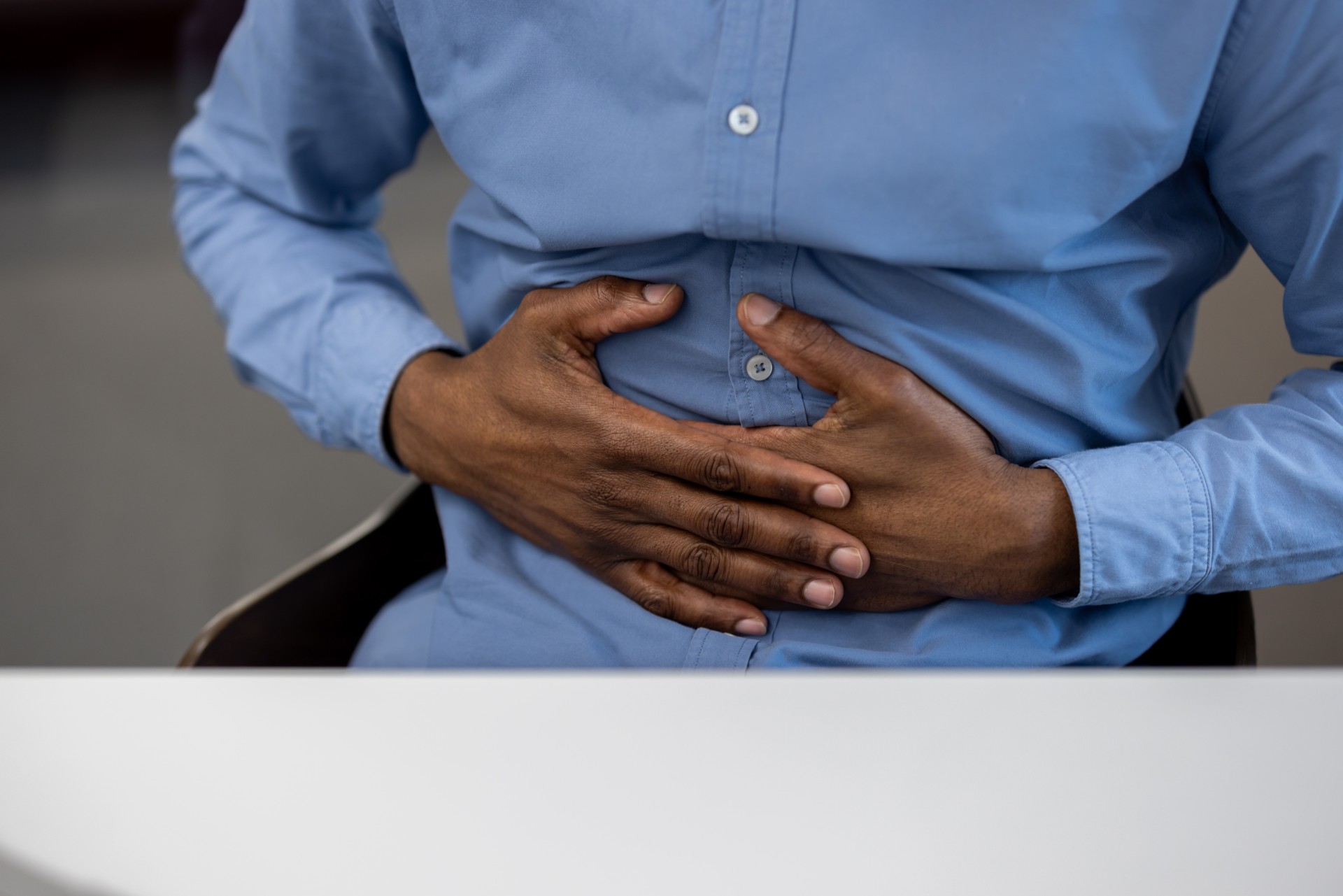
You’re rushing to the bathroom again, and your head is pounding like someone’s using it as a drum. Sound familiar? When diarrhea and headaches strike together, your body is waving a big red flag that something’s off. Let’s dig into what’s really happening.
Why These Two Love Showing Up Together
Your digestive system and brain are more connected than you might think, so it makes logical sense that you might have diarrhea with headache. They’re constantly chatting through something called the gut-brain axis. When one throws a fit, the other often follows suit.
Dehydration is usually the troublemaker here. Diarrhea drains your body of fluids faster than you can say “where’s the bathroom?” Your brain is about 75% water, so when fluid levels drop, it literally shrinks slightly and pulls away from your skull. That tugging sensation? That’s your headache saying hello.
But here’s where it gets interesting. The real culprits behind your misery might surprise you.
The Usual Suspects (And Some Sneaky Ones)
Gastroenteritis tops the list. This stomach bug brings fever, nausea, and yes, the lovely combo you’re experiencing. It’ll usually clear up in a few days.
Food poisoning strikes fast and hard. You know that sketchy gas station sushi? Yes, it remembers you, too.
Here are some less obvious causes:
- Migraines can actually trigger GI symptoms (your headache might be causing the diarrhea, not the other way around)
- Stress and anxiety wreak havoc on both systems simultaneously
- Certain medications list both as side effects
- Celiac disease or gluten sensitivity often presents this way
- Inflammatory bowel conditions like Crohn’s or ulcerative colitis
The Dehydration Spiral Nobody Talks About
Here’s something most people miss. You lose electrolytes along with fluids during diarrhea. Sodium, potassium, and magnesium all play crucial roles in nerve function. When these drop, your brain misfires, creating headache pain that regular water alone won’t fix.
This is why chugging plain water sometimes doesn’t help. You need electrolyte replacement, too.
When It’s Actually Dangerous
Most cases resolve on their own. But sometimes this combo signals something serious:
- Bloody or black stools
- Severe abdominal pain that won’t quit
- Confusion or difficulty staying alert
- Headache that’s the worst you’ve ever experienced
- Symptoms lasting more than three days
- Signs of severe dehydration (dark urine, dizziness, rapid heartbeat)
These warrant immediate medical attention. Don’t tough it out.
What Actually Helps (Beyond the Obvious)
Sure, rest and fluids matter. But try these underrated strategies:
Start with oral rehydration solutions, not sports drinks. The WHO formula has the right balance your body needs. Sports drinks have too much sugar and not enough sodium.
Apply a cold compress to your head while sipping room temperature fluids. Cold water can trigger more cramping.
Try the BRAT diet (bananas, rice, applesauce, toast), but don’t stick with it too long. You need nutrients to recover. Ginger works double duty here, settling your stomach and has anti-inflammatory properties that can ease headache pain. Consider probiotics once the acute phase passes. They help restore your gut balance faster.
This tag team of symptoms usually means your body needs immediate hydration, rest, and attention. Listen to what it’s telling you. Most cases clear up quickly with proper care, but don’t ignore warning signs that suggest something more serious is brewing.