The controversial Neil Patrick Harris Amy Winehouse cake, which is actually a meat platter, has resurfaced on social media in 2026, sparking renewed outrage across TikTok and Twitter. This disturbing Halloween decoration from 2011 depicting the late singer’s corpse continues to haunt the How I Met Your Mother star’s reputation.
Just three months after Winehouse’s tragic death, this insensitive display became one of Hollywood’s most regrettable moments that refuses to fade away.
What Actually Happened at the 2011 Halloween Party
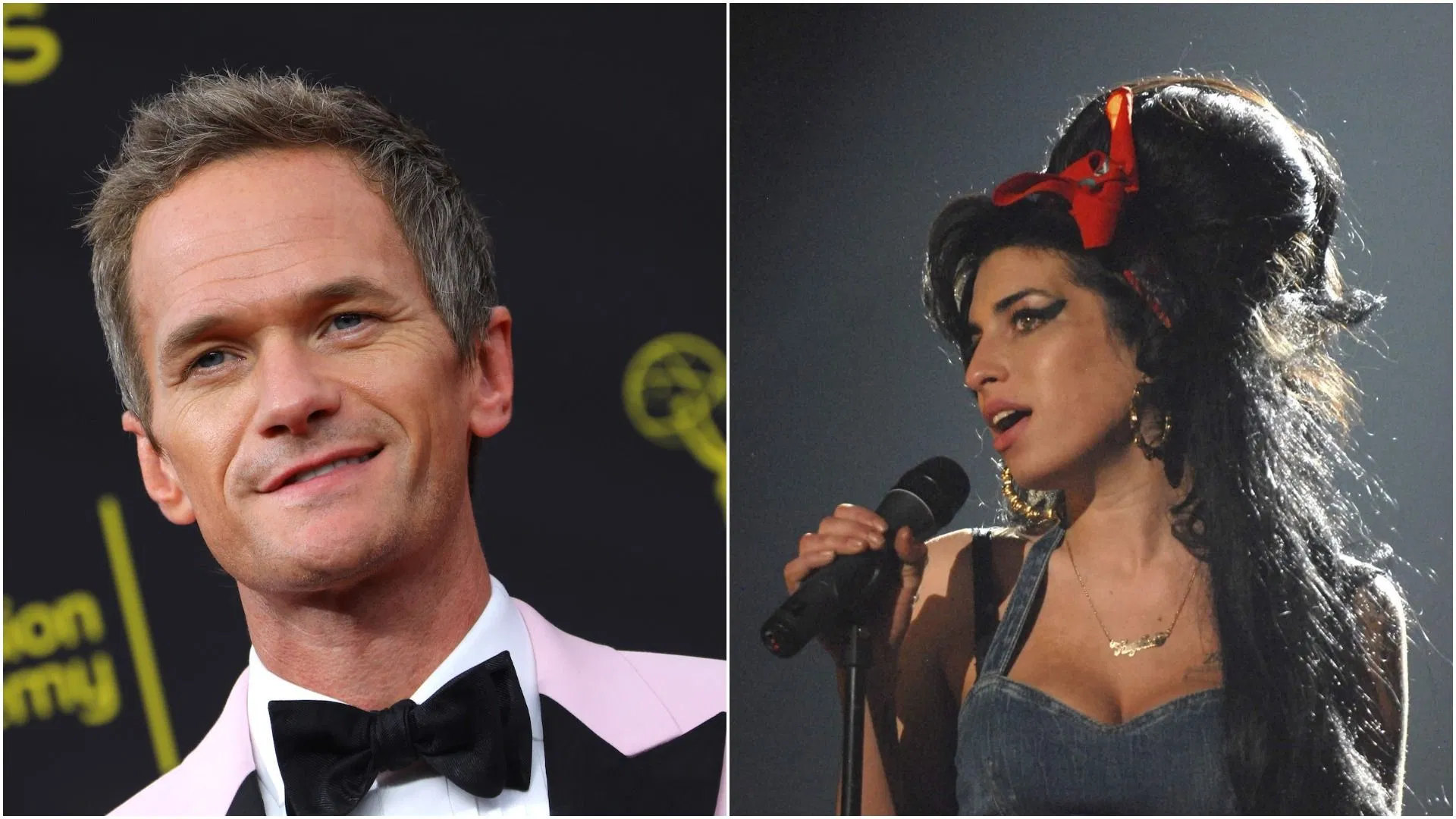
Let’s clarify something crucial: it wasn’t technically a cake. In October 2011, Neil Patrick Harris and his husband David Burtka hosted a Halloween party featuring a gruesome buffet platter that depicted Amy Winehouse’s corpse. The display consisted of beef ribs, pulled pork, and chicken sausage arranged to resemble the deceased singer, complete with her signature beehive hairstyle and a label reading “The Corpse of Amy Winehouse.”
The timing made this particularly offensive. Amy Winehouse had died just three months earlier in July 2011 from alcohol poisoning at age 27. Her death shocked the music world, and she was mourned as a once-in-a-generation talent whose struggles with addiction had been publicly documented and often ridiculed.
Photos from the party showed guests gathered around the corpse decoration, with NPH and Burtka appearing to celebrate what they likely considered dark humor. The meat platter was positioned as the centerpiece of their Halloween festivities, demonstrating a stunning lack of cultural sensitivity and respect for the recently deceased artist.
The Cycle of Viral Outrage
This isn’t the first time the image has sparked controversy. The photo has resurfaced repeatedly: initially in 2011 when it first circulated, again in 2022 when it went viral on Twitter, throughout 2024 following Amy Winehouse’s biopic “Back to Black,” and now again in 2026. Each resurgence brings fresh waves of social media backlash and renewed criticism of the actor.
Why does this keep happening? Social media algorithms favor controversial content, and each new generation discovering this shocking image amplifies it further. TikTok’s discovery page has been instrumental in the 2026 resurgence, with videos about the incident gaining millions of views. The platform’s younger users, many of whom weren’t even born when this happened, are expressing genuine shock and disgust.
The 2024 biopic about Winehouse reignited conversations about how the media and entertainment industry mistreated her during her life and after her death. This context makes Harris’s Halloween decoration even more disturbing, as it represents exactly the type of mockery and dehumanization Winehouse faced throughout her career.
Celebrity accountability discussions have evolved significantly since 2011. What might have been dismissed as edgy humor back then is now rightfully recognized as death mockery and poor taste. The viral controversy demonstrates how digital permanence ensures past mistakes never truly disappear.
Public Reaction and Social Media Backlash
The 2026 resurfacing has triggered intense criticism across multiple platforms. Twitter users have called the meat platter “absolutely vile,” “disgusting,” and “unforgivable,” with many questioning why Harris continues to enjoy a successful career despite this incident. TikTok videos analyzing the controversy have accumulated tens of millions of views, with comment sections overwhelmingly condemning the display.
“This is exactly the kind of misogynistic treatment Amy faced her entire career,” one viral tweet stated. “She died struggling with addiction and mental health, and three months later she’s being mocked as a party decoration. It’s sick.”
Many social media users have pointed out the broader pattern of how Amy Winehouse was treated by society. Before her death, tabloids relentlessly documented her struggles, often treating her addiction as entertainment rather than a serious health crisis. The corpse decoration represents a continuation of this dehumanization even after her passing.
Some defenders argue the display was meant as dark humor among friends and wasn’t intended for public consumption. However, critics counter that photographing and sharing it demonstrated a desire for attention, and the fundamental concept shows profound disrespect regardless of intent. The insensitive decoration crossed lines that shouldn’t be crossed, particularly so soon after someone’s death.
The resurfaced celebrity photos have also sparked discussions about holding public figures accountable for past actions. Should a regrettable decision from 15 years ago define someone’s legacy? Can public apologies truly address such deeply offensive behavior?
Neil Patrick Harris’s Apology
Harris remained silent about the incident until 2022, when mounting social media outrage finally prompted a response. In a statement to Entertainment Weekly, he said: “A photo recently resurfaced from a Halloween-themed party my husband and I hosted 11 years ago. It was regrettable then, and it remains regrettable now. Amy Winehouse was a once-in-a-generation talent, and I’m sorry for any hurt this image caused.”
Many criticized the apology as insufficient and overdue. It took eleven years and significant public pressure for Harris to address what he himself called “regrettable.” The delayed response raised questions about whether he genuinely understood why the decoration was wrong or simply engaged in damage control.
The apology also notably described the photo as “resurfacing” rather than acknowledging he created and displayed the offensive decoration. This passive framing frustrated critics who wanted more accountability and genuine remorse for the original action rather than regret about being caught.
Why This Keeps Coming Back in 2026
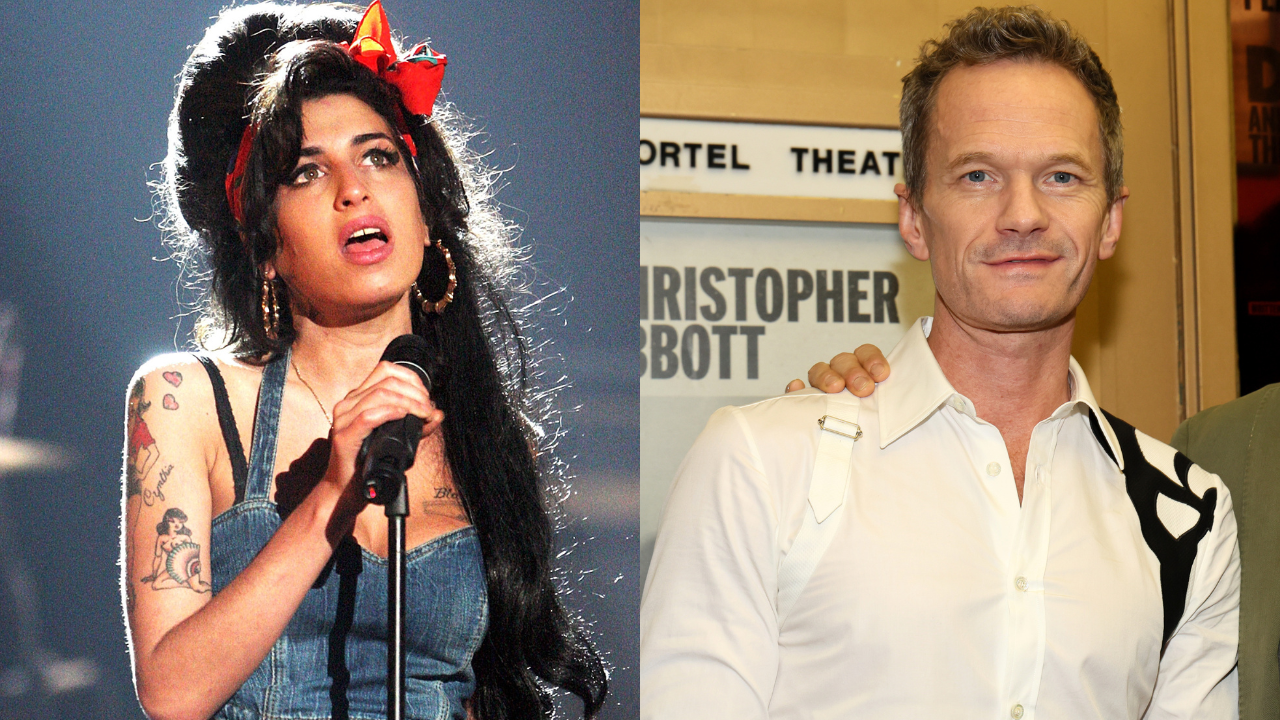
Several factors explain why this controversy refuses to die. TikTok’s algorithm aggressively promotes shocking historical content, introducing old celebrity scandals to new audiences. The platform’s format—short, emotional videos with dramatic music—perfectly packages outrage for maximum engagement and virality.
Ongoing conversations about celebrity accountability ensure past mistakes receive modern scrutiny. Cancel culture debates have made examining historical behavior from today’s ethical standards commonplace. What was arguably more tolerated in 2011 is unacceptable by 2026 standards.
The 27 Club—the group of musicians who died at age 27, including Winehouse, Jimi Hendrix, Janis Joplin, and Kurt Cobain—continues fascinating people. Documentaries, biopics, and anniversary tributes regularly bring these artists back into public consciousness, and with them, memories of how they were treated.
Younger generations particularly drive these viral moments. For Gen Z users discovering this for the first time, the shock feels fresh and immediate. They’re experiencing genuine first-time reactions to what older millennials might have already processed years ago, creating waves of renewed controversy.
The Neil Patrick Harris Amy Winehouse cake represents more than one insensitive party decoration. It symbolizes broader issues about how we treat troubled artists, the permanence of digital mistakes, and whether genuine redemption is possible in the internet age. As 2026 proves, some controversies are destined to haunt their creators indefinitely.
Frequently Asked Questions
Was it actually a cake or a meat platter?
It was a meat platter made of beef ribs, pulled pork, and chicken sausage arranged to depict Amy Winehouse’s corpse, complete with her signature beehive hairstyle.
When did the original party happen?
The Halloween party occurred in October 2011, just three months after Amy Winehouse’s death in July 2011 from alcohol poisoning.
Did Neil Patrick Harris apologize?
Yes, Neil Patrick Harris issued an apology in 2022, stating it was “regrettable then, and it remains regrettable now,” though critics felt the delayed response was insufficient.
Why does this keep going viral?
The image resurfaces due to social media algorithms, new generations discovering it, ongoing conversations about celebrity accountability, and renewed public interest in Amy Winehouse through documentaries and biopics that keep her legacy relevant.
What did Amy Winehouse die from?
Amy Winehouse died from alcohol poisoning at age 27 on July 23, 2011, becoming a member of the tragic “27 Club.”