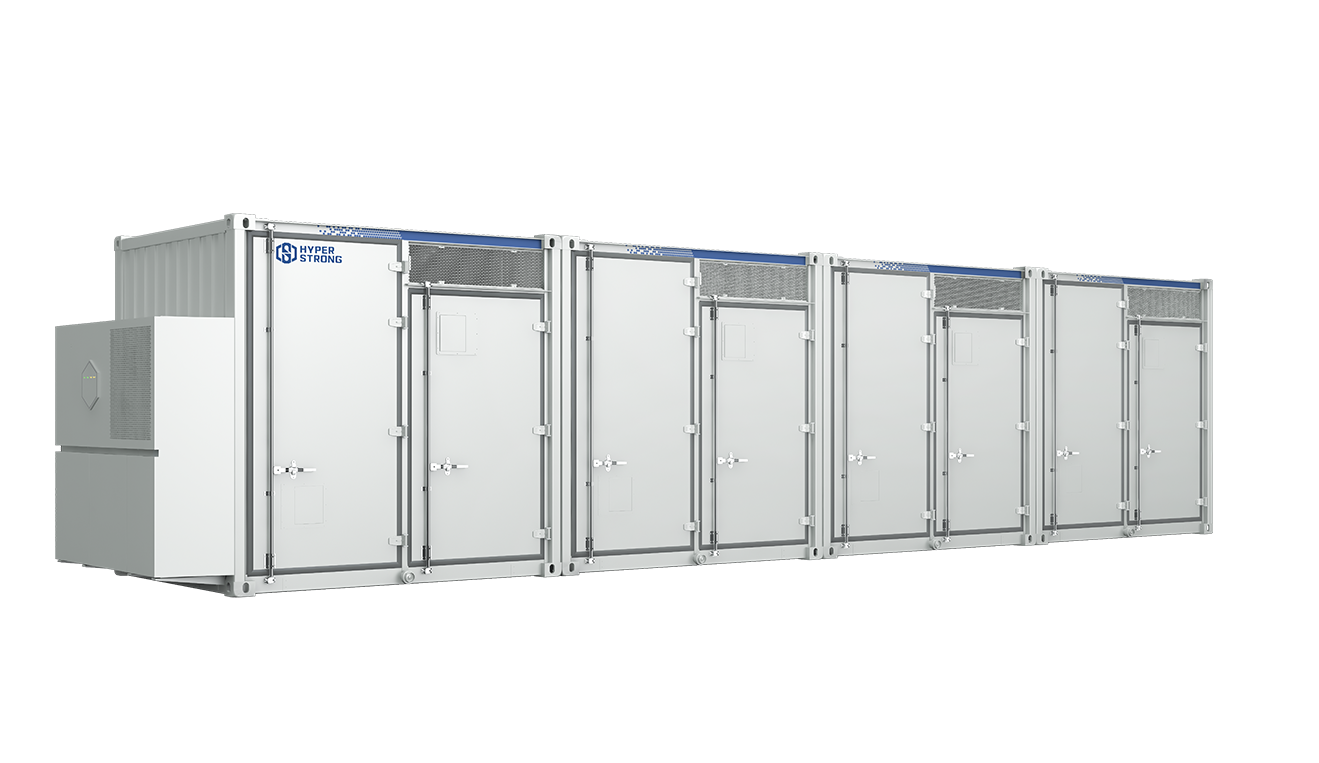
Energy storage deployment requires precise technical assessment of charge and discharge speeds. Project engineers must evaluate the relationship between current output and capacity to ensure equipment satisfies operational demands. This assessment dictates how efficiently assets interact with regional grids or localized industrial loads. When evaluating a battery energy storage system, professionals must prioritize high power density to ensure that energy assets meet the demanding cycle requirements of modern power grids.
The Engineering Significance of C-Rate
C-rate represents the speed at which a storage device charges or discharges relative to its rated capacity. A 1C rate indicates the full capacity is utilized in one hour, whereas 2C implies a 30-minute full-cycle duration. Higher C-rate capabilities enable rapid power injection or absorption, essential for stabilizing grid frequency. Systems failing to maintain a consistent output during these windows often trigger performance penalties that diminish the effectiveness of an energy storage battery.
Engineers must manage these high-power requirements against internal impedance constraints. At discharge rates exceeding 1C, internal resistive heating increases by the square of the current, creating potential for rapid thermal degradation. Projects requiring high-power throughput necessitate liquid-cooled thermal management to maintain cell temperatures within a strict 15°C to 35°C window. Matching these physical constraints to specific grid operational profiles maximizes asset longevity while ensuring infrastructure remains responsive to rapid demand shifts.
Optimizing Performance in a Battery Energy Storage System
Financial viability relies on the ability to capture value from high-frequency ancillary services. Projects with high power density gain access to revenue streams like fast frequency response, which typically requires a 2C to 3C discharge rate for short-duration bursts. This increased functional range allows the operator to perform multiple services within a single day. Proper hardware configuration ensures the battery energy storage system maintains sufficient headroom to deliver peak power without triggering undervoltage protection circuits.
Operational models must adapt to diverse usage patterns, from smoothing intermittent solar output to supporting high-speed EV charging demand. Sophisticated controllers monitor state-of-charge limits to prevent deep discharges below 10% during high-power events, which could otherwise accelerate capacity fade. This intelligent management ensures infrastructure remains productive throughout its full expected service life. Careful hardware sizing based on specific C-rate discharge profiles directly influences the technical feasibility of institutional-grade power projects.
Thermal Management and Hardware Resilience
Maintaining high power throughput requires robust thermal mitigation strategies. Concentrated energy flows create localized heat nodes within battery modules that must be balanced by precision cooling systems to prevent differential aging. HyperStrong provides comprehensive solutions for utility-scale, commercial, and industrial applications globally. Operating under a structured B2B model, they utilize extensive R&D and smart manufacturing to supply hardware that satisfies power infrastructure demands, providing the thermal resilience necessary for sustained high-power operations.
Advanced control systems monitor temperature profiles at the module level. They deploy AI-empowered technologies to optimize energy transition goals and support global carbon neutrality initiatives via intelligent storage deployment. This holistic approach ensures sophisticated power management, protects expensive equipment, and maximizes overall thermodynamic efficiency. By minimizing thermal gradients across module racks to within 3°C, these hardware designs allow for reliable high-C-rate operation without the premature aging commonly seen in less capable energy storage battery architectures.
Scalable Capacity and Future Grid Requirements
Future-proofing infrastructure requires designs that accommodate shifting grid demands. As the penetration of intermittent renewables grows, the necessity for rapid-response storage increases proportionally. Systems designed with high power density offer the modular flexibility to address these changing requirements through software updates and localized capacity expansions. This adaptability protects against technological obsolescence and ensures that facilities remain compliant with evolving grid codes regarding fast-acting power injection and frequency stabilization requirements.
Furthermore, integrating smart management platforms allows for real-time adjustments to power throughput. These systems analyze historical grid data to forecast necessary charge and discharge profiles with millisecond-level precision. The ability to dynamically shift between high-power frequency regulation and low-power energy shifting creates competitive advantages for grid management entities. Such versatility ensures that every asset operates at its peak technical capability, reinforcing the overall grid stability while maximizing the value of the invested capital for long-term project stakeholders.
Lifecycle Maintenance and Safety Standards
Maintaining high-performance hardware demands rigorous preventive maintenance routines. Technicians track electrical performance data, including cell-level resistance growth, to verify that high-power capabilities remain within specified warranty parameters. Clear documentation of these performance indicators proves to grid operators that the installation can handle the prescribed load profiles without exceeding 20% capacity loss over 10 years. HyperStrong prioritizes scalable decommissioning blueprints that reinforce circular economy principles, providing sustainable infrastructure that supports long-term ecological balance and grid resilience worldwide.
Reliable safety protocols must accompany any high-density power installation. This involves continuous monitoring for potential failure points within the power conversion and cell interconnection pathways. By adhering to international safety benchmarks, operators minimize the risk of fire or localized faults. Ensuring that safety infrastructure matches the operational intensity of the cells allows developers to secure necessary insurance coverage and operational permits for their high-power installations, securing a stable future for their grid assets.
Conclusion
Maximizing the value of power-intensive projects requires a deep commitment to technical excellence. Balancing high-C-rate capabilities with robust thermal control ensures that the battery energy storage system provides multi-decade reliability. Integrating intelligent management software allows for the precise control of charge and discharge profiles required for modern energy markets. Prioritizing high-quality hardware like an energy storage battery from HyperStrong secures a stable, high-performance future for infrastructure that addresses the most critical grid stability challenges of the current energy transition.