Across many industries, experienced professionals are beginning to realise that their knowledge has value beyond the workplace floor. Years spent solving problems, managing projects, and handling real world challenges can become powerful teaching material for future workers. This is why more skilled individuals are moving into vocational education and workplace training roles.
The transition from industry expert to educator is not only about changing careers. It is about transforming practical experience into meaningful learning that helps others succeed.
Why Real Industry Stories Improve Learning
One major advantage experienced trainers bring into education is authenticity. Learners often connect more strongly with instructors who have actually worked in the field. Instead of relying only on manuals or theory, trainers can share real workplace examples that make lessons more relatable.
A trainer who has managed construction deadlines, customer service pressure, or healthcare emergencies can explain challenges in a way students understand immediately. These experiences help learners prepare mentally for situations they may face in their own careers.
A professional training and assessment course teaches experienced workers how to turn these stories into structured lessons that support learning outcomes rather than simple conversations.
Modern Learners Expect More Interactive Training
Today’s learners are very different from previous generations. Long lectures and repetitive presentations are becoming less effective in training environments. Modern students often prefer participation, demonstrations, discussions, and scenario based learning.
This shift has changed the role of trainers significantly. Educators now act more like facilitators who guide learners through practical activities and collaborative problem solving. Trainers are expected to create engaging environments where students feel involved rather than passive.
This evolution is one reason vocational education continues attracting professionals interested in creative and people focused careers.
Digital Skills Are Becoming Essential for Trainers
Technology is reshaping workplace education at a rapid pace. Trainers are now expected to deliver online sessions, create digital resources, and manage virtual classrooms. Even face to face training often includes online assessments and digital learning systems.
Professionals entering the education sector benefit from learning how to combine practical instruction with technology. Training programs help future educators understand how to keep learners engaged across different platforms.
In growing educational hubs, programs like tae course adelaide are helping professionals adapt to these modern training expectations while improving their teaching flexibility.
Workplace Training Is Expanding Beyond Classrooms
Many people still imagine trainers standing in front of classrooms all day, but workplace education is becoming far more flexible. Trainers now deliver sessions in offices, workshops, construction sites, hospitals, and even remote environments.
Some organisations prefer short skill development workshops rather than long classroom programs. Others focus on coaching employees directly during daily work activities. This allows trainers to support learning while employees remain active in their roles.
As a result, educators today need strong adaptability and communication skills to work effectively in different environments.
Fast Paced Learning Is Increasing in Demand
Modern industries often require workers to gain skills quickly. Businesses want employees who can learn efficiently without long periods away from work responsibilities. This has increased demand for short, focused training programs.
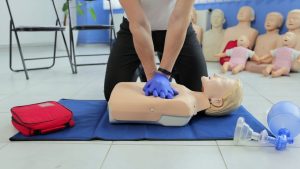
Programs like the First Aid Express Course reflect this growing preference for intensive practical learning. Learners appreciate training that delivers clear skills within shorter timeframes while still maintaining high standards.
For educators, this means lessons must be highly organised, practical, and engaging from beginning to end. Trainers need to maximise attention and deliver valuable information efficiently.
Mentorship Has Become a Valuable Leadership Skill
Many professionals enter training roles because they enjoy helping others improve. Workplace mentoring is becoming increasingly important as companies focus more on employee growth and retention.
Good trainers do more than explain technical skills. They encourage confidence, support development, and help learners overcome uncertainty. In many industries, strong mentorship can improve team culture and workplace performance.
This makes training roles appealing for professionals who want careers focused on communication, leadership, and personal development instead of only operational tasks.
Education Careers Offer Continuous Growth
One overlooked benefit of becoming a trainer is the opportunity for constant learning. Educators regularly interact with new people, updated technologies, and evolving industry standards. This keeps the work dynamic and intellectually stimulating.
Many trainers continue expanding into areas such as compliance education, leadership coaching, course design, or organisational development. Some eventually create their own training businesses or consulting services.
For professionals looking for a career that combines expertise, communication, and long term growth, vocational education provides strong future opportunities.
Conclusion
The move from industry professional to educator is becoming increasingly valuable in today’s workforce. Experienced workers bring practical understanding that helps learners prepare for real challenges, while modern training qualifications help transform that expertise into effective teaching.
With industries demanding more engaging, flexible, and practical learning experiences, skilled trainers are playing a bigger role than ever before in shaping capable future professionals.