
Becoming a professional golfer in the United States is not easy. It takes years of practice, strong mental focus, financial support, and the right competitive exposure. When people search for how Dofota Kucharski became a pro golfer, they want more than a summary. They want the real journey.
They want to know:
- Where did he start?
- What challenges did he face?
- What tournaments did he play?
- How did he turn pro?
- What can others learn from his path?
Most online articles only provide a brief overview. They repeat general golf advice and do not explain the step-by-step progression from amateur to professional. This guide fills those gaps.
Let’s break it down clearly and simply.
Who Is Dofota Kucharski?
Dofota Kucharski is a golfer whose name has gained traction online as an example of someone who built a professional golf career from modest beginnings. His story — starting with limited resources, no elite coaching early on, and no privileged access to the sport — resonates with a lot of players in the United States who didn’t grow up at a country club.
What makes his path worth studying isn’t that it was effortless. It’s that it was methodical. He didn’t skip steps. He didn’t rely on natural talent alone. He followed a process that, when you look at it closely, mirrors how most legitimate tour professionals actually built their careers.
Early Life and Introduction to Golf

Every professional golfer starts somewhere. For Dofota Kucharski, golf was not just a casual hobby. It became a focused pursuit early on.
Most pro golfers in the U.S. begin playing between ages 5 and 12. Early exposure builds muscle memory, swing mechanics, and comfort on the course. In many cases, family support plays a major role. Access to a local golf club, youth programs, or junior coaching makes a big difference.
Like many aspiring pros, Kucharski likely developed:
- Strong fundamentals at a young age
- Competitive experience in junior tournaments
- Structured coaching early in his development
Junior golf tournaments are critical. Events organized by groups like the American Junior Golf Association (AJGA) often shape future professionals. Competing at this level teaches course management, pressure control, and tournament discipline.
Early competitive reps matter more than raw talent.
High School and Amateur Development
In the United States, high school golf can open doors to college recruitment. College golf is one of the most common pathways to becoming a pro.
During this stage, players focus on:
- Improving scoring consistency
- Strength and fitness training
- Tournament travel experience
- Building a tournament resume
Amateur tournaments are the backbone of development. Events like state championships, regional opens, and national amateur events help players gain ranking points and exposure.
Many future professionals compete in prestigious events such as:
- The U.S. Amateur Championship organized by the U.S. Amateur Championship
- State-level open championships
- Collegiate invitationals
Even if a player does not win major amateur titles, consistent top finishes build confidence and credibility.
This stage is where serious commitment begins.
College Golf: The Real Turning Point
For many American pros, college golf is the biggest stepping stone. It bridges amateur competition and professional pressure.
Competing at the NCAA level means:
- Traveling nationally
- Playing championship-caliber courses
- Facing future PGA Tour players
- Training daily with coaches and sports psychologists
College programs provide structure. Players train year-round. They lift weights. They work with swing coaches. They analyze stats.
This environment helps sharpen three things:
- Mental resilience
- Shot consistency
- Tournament endurance
Many players decide whether to turn professional after college. Some leave early if they are ready. Others stay four years to mature physically and mentally.
For someone like Kucharski, college golf likely refined his competitive identity and prepared him for life beyond amateur status.
When and Why He Turned Pro
Turning professional is not just a title change. It is a financial and career decision.
When a golfer turns pro, they:
- Lose amateur status
- Can accept prize money
- Must fund their own travel and expenses
- Enter qualifying tournaments
The most common entry route in the U.S. is Q-School. For the PGA Tour, this process feeds into the Korn Ferry Tour.
The Korn Ferry Tour is a developmental tour that helps players earn status on the main PGA Tour.
Players go through:
- Pre-qualifying
- First stage
- Second stage
- Final stage
Only the top performers earn status.
If Dofota Kucharski followed this path, he would have needed strong tournament results to advance.
Turning pro requires belief. It also requires funding. Travel, coaching, equipment, and entry fees can cost tens of thousands per year.
Many young pros rely on:
- Sponsorship deals
- Private investors
- Family support
- Local business backing
This is something many competitor articles fail to explain. Financial backing is one of the hardest parts of becoming a professional golfer.
The Grind of Early Professional Golf
Life as a new professional golfer is not glamorous.
Most early pros play:
- Mini tours
- Regional opens
- Monday qualifiers
Mini tours such as the Minor League Golf Tour or state open circuits help players gain experience and earnings.
This stage teaches:
- How to handle travel fatigue
- How to compete without guaranteed income
- How to bounce back from missed cuts
Missing cuts is common. Even future stars missed many early cuts.
Consistency is everything.
A pro must shoot under par almost every round just to compete.
Skills That Made the Difference
Raw talent is not enough.
To become a professional golfer, a player must excel in:
1. Ball Striking
Accurate iron play sets up scoring opportunities.
2. Short Game
Up-and-down ability separates amateurs from pros.
3. Putting Under Pressure
Three-putts destroy momentum. Elite putting saves rounds.
4. Mental Strength
Golf is 80% mental. One bad hole can ruin a round if focus is lost.
5. Physical Fitness
Modern golf demands strength and flexibility.
Many top players, including stars like Tiger Woods, changed the game by prioritizing fitness.
If Kucharski reached professional level, he mastered at least these core pillars.
Overlooked Challenges Most Articles Ignore
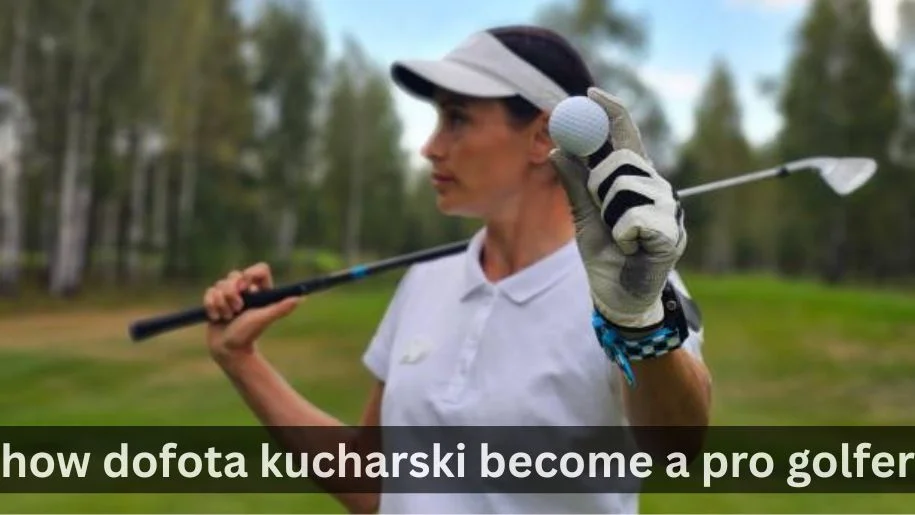
Most competitor pages stay vague. They skip the real struggles.
Here are critical realities often ignored:
Financial Pressure
Traveling weekly is expensive. Flights, hotels, caddies, and entry fees add up quickly.
Mental Isolation
Golf is an individual sport. There are no teammates to lean on.
Performance Anxiety
Every missed cut affects income.
Ranking Systems
Professional golf relies on points and performance metrics. Falling in rankings can limit tournament access.
These pressures force many talented players to quit before reaching higher tours.
Survival itself is an achievement.
How a Pro Golfer Builds Momentum
To climb the professional ranks, a player must:
- Win or place high in smaller tournaments
- Earn enough money to fund future events
- Improve official rankings
- Gain sponsor exemptions
Momentum in golf often comes from:
- A breakthrough top-5 finish
- A sudden hot putting streak
- Confidence from beating stronger fields
Golf careers often change in one strong season.
Training Routine of a Professional Golfer
Competitor articles rarely explain daily life.
Here is what a typical pro-level routine looks like:
Morning
- Stretching and mobility
- Range work (1–2 hours)
- Wedge distance control drills
Afternoon
- Practice rounds or competitive simulation
- Short game drills
- Putting reps (100–300 putts)
Evening
- Fitness training
- Swing video review
- Mental training exercises
Pros track stats like:
- Greens in regulation
- Strokes gained
- Putting average
Improvement is data-driven.
Lessons Aspiring Golfers Can Learn
If you want to follow a similar path, here are practical steps:
Start Competitive Play Early
Do not wait to “feel ready.”
Invest in Coaching
A qualified coach prevents swing flaws.
Play Tough Courses
Easy courses do not build resilience.
Train Your Mind
Meditation and visualization help performance.
Build a Financial Plan
Golf is expensive. Plan before turning pro.
How Long Does It Take to Become a Pro Golfer?
There is no fixed timeline.
On average:
- 8–12 years of serious development
- College golf or equivalent experience
- Several years on mini tours
Some break through fast. Others take longer.
Patience is part of the journey.
What Makes Someone “Professional” in Golf?
In golf, “professional” means:
- You declare pro status
- You compete for prize money
- You meet eligibility standards for events
It does not automatically mean playing on the PGA Tour.
The PGA Tour is the top tier, but there are many professional levels below it.
Understanding this difference clears up confusion many readers have.
Key Turning Points in a Golf Career
A golfer’s career often changes due to:
- Winning a major amateur event
- Qualifying for a developmental tour
- Securing sponsorship
- Gaining media attention
Momentum builds confidence. Confidence improves scoring.
The Mental Game: The Hidden Factor
Many talented golfers fail due to mindset.
Pressure moments include:
- Final holes with a lead
- Playoffs
- Q-School final rounds
Mental coaching, journaling, and breathing techniques are common tools.
Even elite professionals work with sports psychologists.
The mental game never stops improving.
Conclusion
Becoming a professional golfer like Dofota Kucharski is not about one big moment. It is about years of steady improvement.
It involves:
- Early exposure to competition
- Amateur success
- College development
- Turning pro through qualifying systems
- Surviving the grind of mini tours
- Building momentum through results
Most online articles oversimplify this journey. The real path is demanding, expensive, and mentally intense.
But for those who commit fully, it is possible.
Golf rewards discipline.
If you aim to follow this path, focus on fundamentals, competitive exposure, and long-term consistency.
That is how professionals are built.
FAQs
Who is Dofota Kucharski?
Dofota Kucharski is recognized for pursuing and achieving professional golfer status through competitive development and tournament progression.
How do golfers turn professional in the United States?
They declare professional status and compete in qualifying tournaments such as Q-School to earn tour access.
Is college golf necessary to become a pro?
Not required, but highly beneficial. Many U.S. pros develop through college programs.
How expensive is it to pursue professional golf?
Costs can range from $30,000 to over $100,000 per year depending on travel and tournament schedule.
How hard is it to reach the PGA Tour?
Extremely difficult. Only a small percentage of competitive golfers earn full PGA Tour status.
If you are serious about becoming a pro golfer, focus on skill, mental strength, and structured competition. The journey is long, but clarity and preparation make the difference.